Phone Addiction: The Signs, the Stats, and a Self-Check
Half the internet will diagnose you in one quiz. Here is what research actually supports, and eight questions worth asking yourself.
- Phone addiction is not an official diagnosis; problematic smartphone use is the research term.
- The averages are heavy regardless: about 5 hours and 200 checks a day in the US.
- The signs that matter are loss of control, displacement, and continued use despite costs.
- Our 8-question check below sorts habit from problem better than any percentage score.
- What helps is structural: cues down, friction up, sleep protected.
Is phone addiction real?
Clinicians are careful with the word. Phone addiction appears in no diagnostic manual; researchers study problematic smartphone use, a pattern of loss of control and continued use despite harm, measured with validated scales.1 The caution is not denial. Reviews link heavy, compulsive use with worse sleep, mood, and attention2, and the mechanisms, variable rewards on an always-present device, are the strongest habit-forming pattern known.
For practical purposes the label matters less than the structure of the question: not how many hours, but who is deciding them.
The statistics, briefly
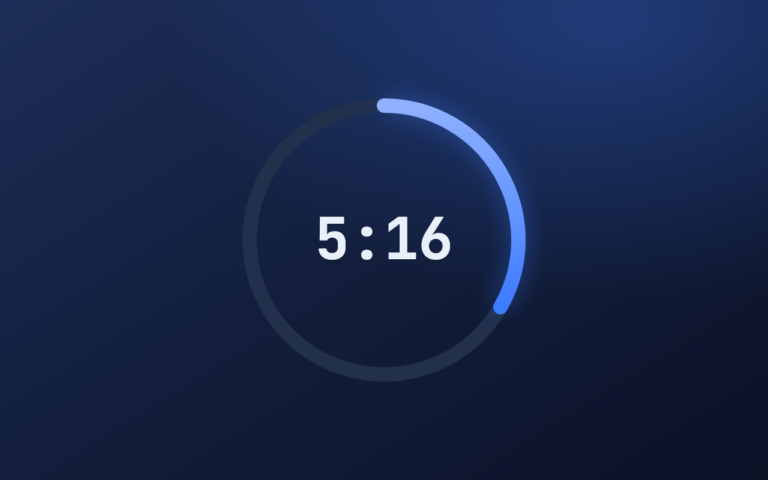
The average American spends about 5 hours 16 minutes a day on the phone and checks it roughly 200 times3; global averages sit somewhat lower, near four and a half hours. Most sessions start without a decision anyone remembers making. We keep the full, sourced number set in our screen time statistics page, including the yearly math: the US average compounds to about 80 full days per year.
Averages make poor diagnoses, though. Plenty of six-hour days are deliberate, and plenty of three-hour days are 90 joyless pickups. The signs below matter more than the hours.
The signs researchers actually weigh
Across the scales, the same clusters return. Loss of control: sessions run far past intention, and cutting down keeps failing. Displacement: sleep, work, movement, and people lose time to the phone. Withdrawal-like unrest when it is unavailable, which overlaps with nomophobia. Craving triggered by cues, the reflex reach at any idle second. And continued use despite feeling the costs, which is the line where habits stop being neutral.1
The 8-question self-check
No score, no percentages; count your honest yes answers.
- Do sessions regularly run three times longer than you intended?
- Has your Screen Time number ever genuinely surprised you this month?
- Do you reach for the phone during every idle minute, including elevators and red lights?
- Is the phone the last thing you see at night and the first in the morning?
- Have sleep, exercise, or reading visibly shrunk over the last year?
- Do you scroll feeds you no longer enjoy?
- Have you tried to cut back more than twice and reverted within a week?
- Does being unreachable for two hours make you anxious rather than free?
Zero to two: you have a phone. Three to five: you have a habit that is spending your time without asking; structural changes will pay off fast. Six or more: the phone is running significant parts of your day, and if the costs feel heavy, mood, sleep, relationships, a conversation with a professional is a strength move, not an admission.
What helps, in the order that works
The evidence favors structure over resolve, and reduction over cold turkey.2 Kill the cues first: notifications off, feed icons out of sight. Then raise the price of the reflex with enforced friction at the moment of opening, the mechanism that cut usage by more than half in a six-week field study.4 Protect sleep with a scheduled evening block, because tired brains lose every negotiation. And re-measure after 30 days, numbers over vibes.
That sequence is exactly what kadn’s rules automate: you decide the structure once, calmly, and the structure does the daily arguing for you.
FAQ
How many hours on the phone counts as addiction?
Is there an official phone addiction diagnosis?
Can you fix phone addiction without quitting your phone?
When should I seek professional help?
- NOMOPHOBIA and problematic smartphone use: review. PMC / Journal of Family Medicine and Primary Care. pmc.ncbi.nlm.nih.gov
- The “online brain”: how the Internet may be changing our cognition. Firth et al., World Psychiatry, 2019. doi.org
- Cell Phone Usage and Addiction Statistics. Reviews.org, 2025. reviews.org
- Field study: friction cut app openings by 57% over six weeks (n=280). PNAS, 2023. pnas.org
Structure beats resolve.
kadn turns your calm decisions into enforced rules, with numbers that show what you got back.
Also on your laptop: Mac & WindowsLast updated: August 2026